The TP-Link Tri-Band BE9700 WiFi 7 Router review centers on a high-capacity home router with three Wi-Fi bands, several multi-gig ports, and network tools for connected households.
Its feature set suits homes ready to make use of WiFi 7, though the value depends on having compatible devices and a need for its wired capacity.
Archer BE600 Review Summary
The quick verdict
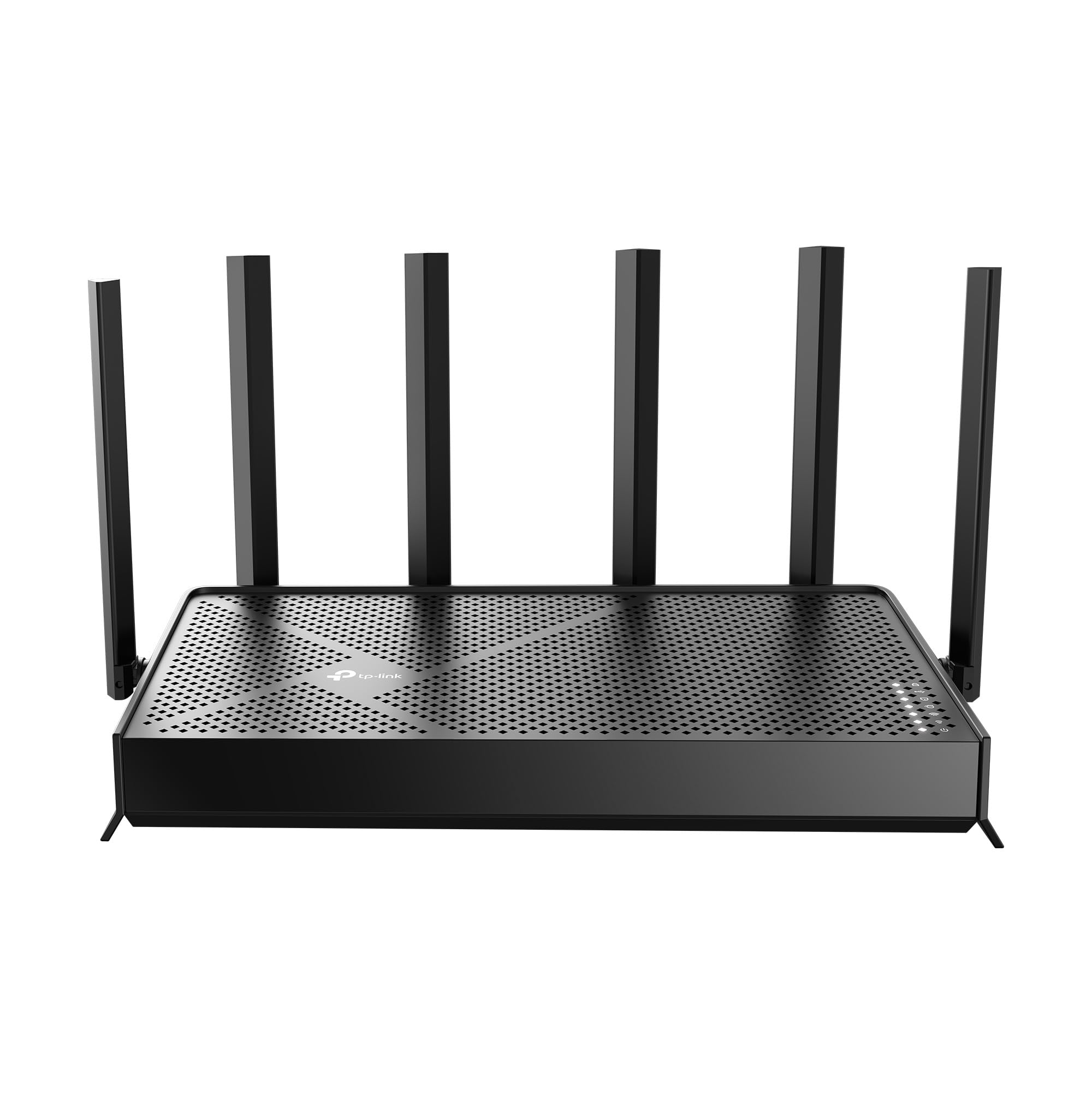
600+ ratings
Read Amazon ReviewsTP-Link Archer BE600
A strong fit for larger, device-heavy homes that can use tri-band WiFi 7, 6 GHz access, and several multi-gig wired connections.
- Tri-band WiFi 7 with up to 5,765 Mbps on 6 GHz, 2,882 Mbps on 5 GHz, and 1,032 Mbps on 2.4 GHz.
- WiFi 7 technologies include Multi-Link Operation, Multi-RUs, 4K-QAM, and channel widths up to 320 MHz.
- Six antennas and beamforming, with a stated coverage target up to 2,600 square feet and support for up to 120 devices.
- One 10 Gbps WAN/LAN port, one 2.5 Gbps WAN/LAN port, and three 2.5 Gbps LAN ports.

Pros
- Three bands, including 6 GHz, give compatible WiFi 7 devices more ways to connect.
- The 10 Gbps and 2.5 Gbps ports make the router suitable for multi-gig internet and several fast wired devices.
Consider before buying
- The highest wireless rates rely on suitable client hardware and favorable conditions; older devices cannot use every WiFi 7 feature.
- The multi-gig port layout may be more capacity than a household with a standard-speed plan or few wired devices needs.
Read the full review summary
The Archer BE600 combines tri-band WiFi 7 with a 6 GHz band rated for up to 5,765 Mbps, a 5 GHz band up to 2,882 Mbps, and 2.4 GHz up to 1,032 Mbps.
Multi-Link Operation, Multi-RUs, 4K-QAM, and channels up to 320 MHz are designed to take advantage of newer WiFi 7 clients, while six antennas and beamforming support a stated coverage target of up to 2,600 square feet and 120 devices.
Its wired layout is a notable part of the package: one 10 Gbps WAN/LAN port, one 2.5 Gbps WAN/LAN port, and three 2.5 Gbps LAN ports can accommodate a multi-gig internet connection and multiple fast local devices.
VPN client and server support and HomeShield network features add flexibility, with setup and management available through the Tether app or web interface.
Buyers should check their modem, internet plan, client devices, and home layout before treating the maximum wireless figures or coverage target as a likely outcome.
The buying factors
Archer BE600 Scorecard
Editorial scores reflect listed features and buyer fit; they are not laboratory measurements or customer ratings.
WiFi 7 feature set
Tri-band operation, 6 GHz, Multi-Link Operation, Multi-RUs, 4K-QAM, and channels up to 320 MHz provide a broad set of current-generation features.
Multi-gig wired options
The 10 Gbps WAN/LAN port and four 2.5 Gbps ports offer useful flexibility for faster internet and wired equipment.
Device capacity
The design is presented for up to 120 devices, a useful target for connected households, though actual experience depends on usage and conditions.
Coverage potential
Six antennas and beamforming accompany a coverage target up to 2,600 square feet; walls and layout still affect reach.
Network management
Tether app and web management give buyers two setup and control routes, alongside VPN support.
Value for basic needs
The feature set is substantial, but households with modest internet and few multi-gig devices may not use much of its capacity.
Key Features and Specifications of Archer BE600
- Tri-band WiFi 7 with up to 5,765 Mbps on 6 GHz, 2,882 Mbps on 5 GHz, and 1,032 Mbps on 2.4 GHz.
- WiFi 7 technologies include Multi-Link Operation, Multi-RUs, 4K-QAM, and channel widths up to 320 MHz.
- Six antennas and beamforming, with a stated coverage target up to 2,600 square feet and support for up to 120 devices.
- One 10 Gbps WAN/LAN port, one 2.5 Gbps WAN/LAN port, and three 2.5 Gbps LAN ports.
- HomeShield features include network protection, parental controls, and IoT security.
- VPN client and server support, with simultaneous VPN and regular internet connections.
- Setup and network management through the Tether app for Android or iOS, or through a web interface.
Pros and Cons of Archer BE600
Pros
- Three bands, including 6 GHz, give compatible WiFi 7 devices more ways to connect.
- The 10 Gbps and 2.5 Gbps ports make the router suitable for multi-gig internet and several fast wired devices.
- Its stated device capacity and coverage target are aimed at busy homes with broad connectivity needs.
- VPN support, HomeShield features, and two management options add useful network controls.
Consider before buying
- The highest wireless rates rely on suitable client hardware and favorable conditions; older devices cannot use every WiFi 7 feature.
- The multi-gig port layout may be more capacity than a household with a standard-speed plan or few wired devices needs.
- The stated coverage area is a target, and walls, placement, and the home's layout can affect real-world reach.
Who Should Buy Archer BE600?
Good fit
Consider the Archer BE600 if your home has newer WiFi 7 devices, a multi-gig internet plan, or several wired systems that can benefit from 2.5 Gbps connections.
Its mix of 6 GHz wireless capacity and multi-gig ports offers room to build around faster client hardware and networking equipment.
It may also suit a busy household that wants one router for streaming, gaming, connected devices, and network controls.
Before buying, count the wired devices you expect to connect, verify your modem and service plan, and consider whether 6 GHz devices will be used in the parts of the home where coverage matters.
Who should skip it
Skip this model if your current needs are limited to basic browsing and a few ordinary devices, with no near-term use for WiFi 7 or multi-gig wired connections. A less capable router may fit that setup better.
Look elsewhere if your priority is extending WiFi across a large or unusually divided home with multiple access points; this product data describes a single router and does not establish how it will cover a particular floor plan.
What the Archer BE600 means for a WiFi 7 home
Tri-band capacity and WiFi 7 clients
The three bands give the Archer BE600 a broad wireless capacity profile, with the largest stated maximum on 6 GHz.
WiFi 7 tools such as Multi-Link Operation and 320 MHz channels are most relevant when client devices can use them; with a mixed-generation household, older equipment can still connect, but should not be expected to reach the newest standard's peak capabilities.
A wired setup that can grow
Having one 10 Gbps port and four 2.5 Gbps ports makes the physical connections unusually flexible for a home router.
The two WAN/LAN ports allow configuration choices, while the three dedicated 2.5 Gbps LAN ports can serve multi-gig local equipment.
Check the speeds supported by the modem, service, switches, and endpoint devices to see which connections can actually use those rates.
Coverage is shaped by the home
Six antennas and beamforming are intended to help focus wireless signals, and the stated target reaches up to 2,600 square feet.
That figure is a planning reference rather than a guarantee: construction materials, router location, interference, and the number and placement of clients all affect coverage.
Homes with difficult layouts should assess placement and whether an additional coverage solution is needed.
Useful controls for a connected household
HomeShield groups network protection, parental controls, and IoT security, while VPN client and server support offers options for routing devices through VPN connections. Tether app and web management provide familiar ways to configure the network.
Buyers who need specific filtering, VPN protocols, or subscription details should confirm those requirements before relying on a particular control.
Alternatives to Archer BE600
Computer Routers alternative
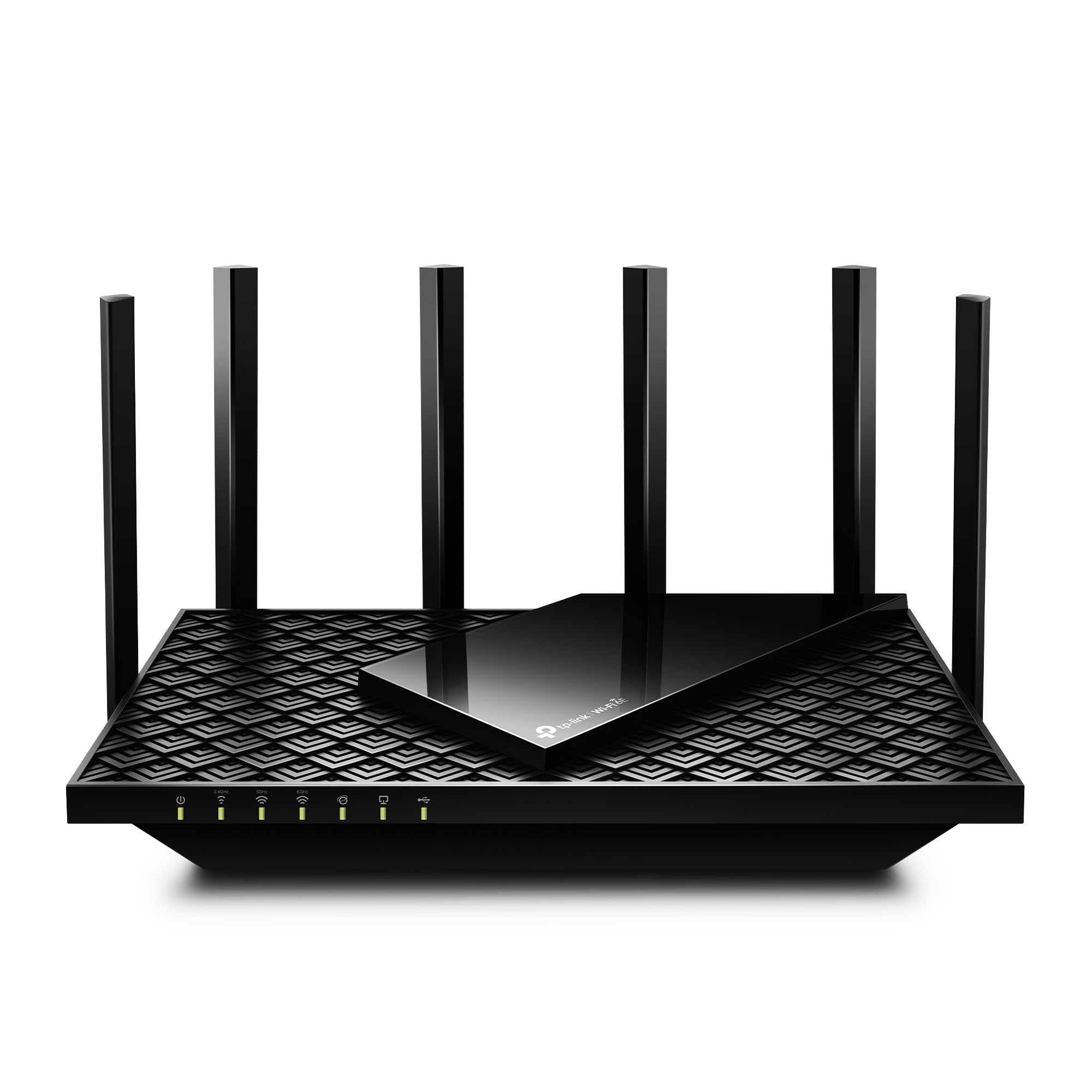
5,000+ ratings
Read Amazon ReviewsTP-Link Archer AXE75
Choose the Archer BE600 if WiFi 7 features and multiple multi-gig ports matter to your setup.
The AXE75 is a relevant alternative if WiFi 6E and OneMesh compatibility meet your needs and the BE600's newer wireless and wired capacity would go unused.
- The Archer AXE75 is a tri-band WiFi 6E router rated up to 5,400 Mbps, with a 6 GHz band, a 2.5 Gbps WAN port, OneMesh support, and VPN client and server features.
- The Archer BE600 brings WiFi 7, a 6 GHz band rated up to 5,765 Mbps, and a 10 Gbps WAN/LAN port alongside multiple 2.5 Gbps connections.
Computer Routers alternative
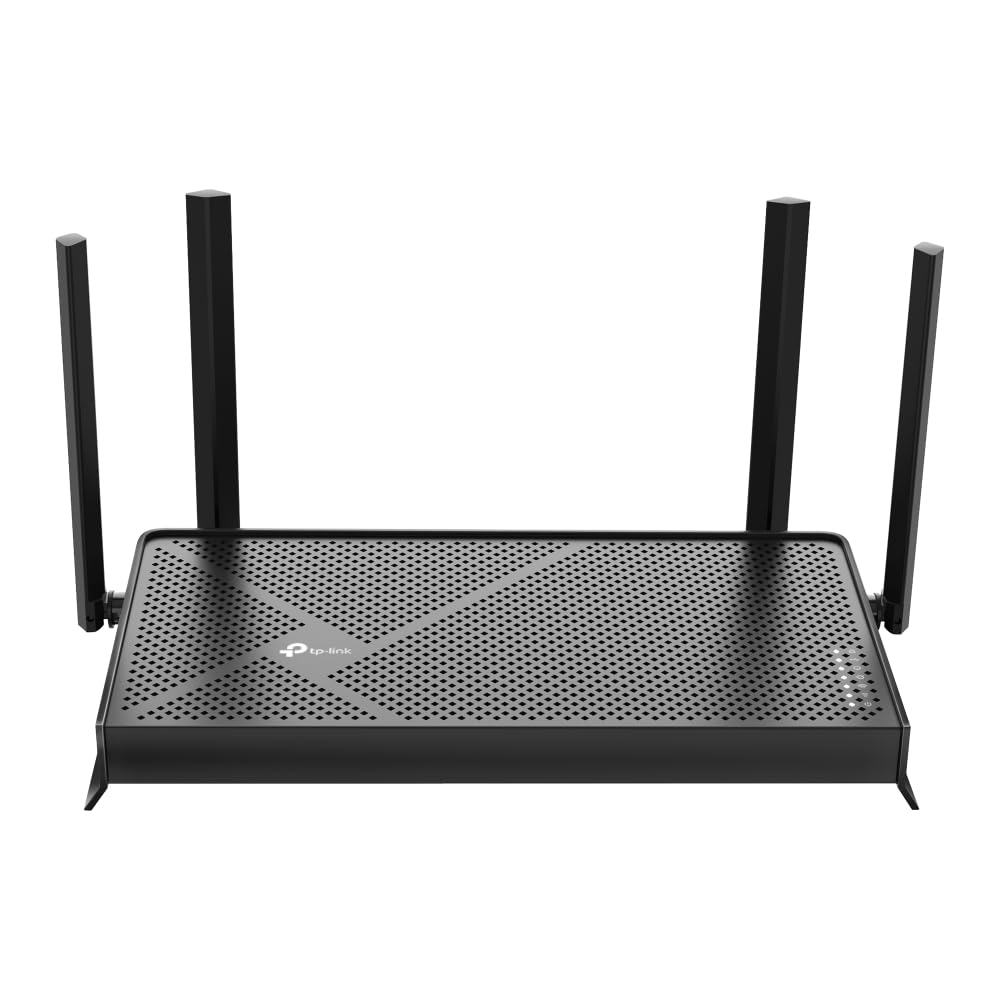
1,000+ ratings
Read Amazon ReviewsTP-Link Archer BE230
The Archer BE600 better fits buyers seeking 6 GHz and more multi-gig wired connections. Consider the BE230 if dual-band WiFi 7 is sufficient and EasyMesh compatibility or a simpler wired setup better matches your home.
- The Archer BE230 is a dual-band WiFi 7 router with no 6 GHz band, up to 2,882 Mbps on 5 GHz, a 2.5 Gbps WAN/LAN port, a 2.5 Gbps LAN port, and three 1 Gbps LAN ports.
- It also supports EasyMesh.
- The Archer BE600 has three wireless bands, including 6 GHz, and a 10 Gbps port plus four 2.5 Gbps ports.
Is Archer BE600 Worth It?
The TP-Link Archer BE600 is worth considering for a connected home that can use WiFi 7, 6 GHz, or several multi-gig wired connections.
Its combination of tri-band wireless, a 10 Gbps port, four 2.5 Gbps ports, and network controls gives it a broad role in a capable home setup.
Buy with your actual devices, service plan, and floor plan in mind.
If those needs are modest, much of the router's capacity may go unused; if you are building around newer clients and multi-gig networking, its feature mix is a strong match.
Your review at a glance
600+ ratings
Read Amazon ReviewsTP-Link Archer BE600
A strong fit for larger, device-heavy homes that can use tri-band WiFi 7, 6 GHz access, and several multi-gig wired connections.
- Tri-band WiFi 7 with up to 5,765 Mbps on 6 GHz, 2,882 Mbps on 5 GHz, and 1,032 Mbps on 2.4 GHz.
- WiFi 7 technologies include Multi-Link Operation, Multi-RUs, 4K-QAM, and channel widths up to 320 MHz.
- Six antennas and beamforming, with a stated coverage target up to 2,600 square feet and support for up to 120 devices.
- One 10 Gbps WAN/LAN port, one 2.5 Gbps WAN/LAN port, and three 2.5 Gbps LAN ports.